What do we need to think about these females, that gender-specific group that makes up fully two-thirds of the personnel of our Journeyman force of our wonderful International Mission Board?
These are mostly single, college graduates who postpone marriage, home, kids, career, family to give two years to the Lord in overseas service, while their gender opposites cruise along on their dating, marrying career paths.
What must we think of this crowd?
I'd start by remembering the considerable history of single females on the international fields, Lottie Moon being the most famous but who is joined by many, many others.
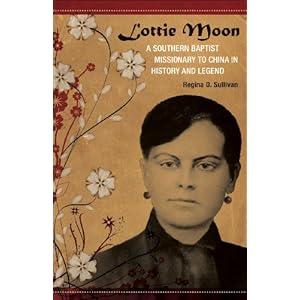
I wrote about a year ago about the most recent Lottie Moon biography, Lottie Moon, the SBC's Most Heroic Figure. Author Regina Sullivan did a good job with this and I recommend it, although you will look in vain in the SBC to find any mention of it. The phrase "speculative feminism" has been used dismissively of modern treatments of our sainted missionary of long past. Pay no attention to these. Read the book.
One notable thing about Sullivan's book is how Lottie Moon (and others) had considerable difficulty with men missionaries behaving administratively and attitudinaly badly. Read the book, you will see.
Our current expression of ecclesiastical patriarchy, having been expanded in some SBC circles from "the office of pastor is limited to men" as outlined by the Baptist Faith and Message, is in a state of flux. Thank God those SBC leaders holding responsible denominational positions haven't lowered any patriarchal guns at the Journeyman program. Not a hint of it, but vigilance is the watchword on this.
While we are in the neighborhood: Quickly now, name one male SBC missionary figure of the past.
Er, ah, ahem....
Lottie and patriarchy aside, because of a network of connections I have known several 'Journeygirls' (a term they use, not of my coining) and seldom find a better expression of Christian commitment and zeal than among them, not that the one-third male Journeymen lack the same.
Because of funding pressures, the appointments in this program can involve locations that entail service with some degree of difficulty and often relative isolation; nonetheless, these females answer the call. God bless them all.
Contrast that with the hotbed of our six seminaries brimming with mostly male students strolling to class, holding high minded theological discussions with fellow neophytes. Some of our seminaries, Southeastern and Midwestern come to mind, have taken to promoting themselves as "Great Commission Seminaries." One might rightly conclude that the "Great Commission" concept has not been fully embraced.
Manifestly, the current SBC emphasis on patriarchy has not filled the IMB with male mission candidates.